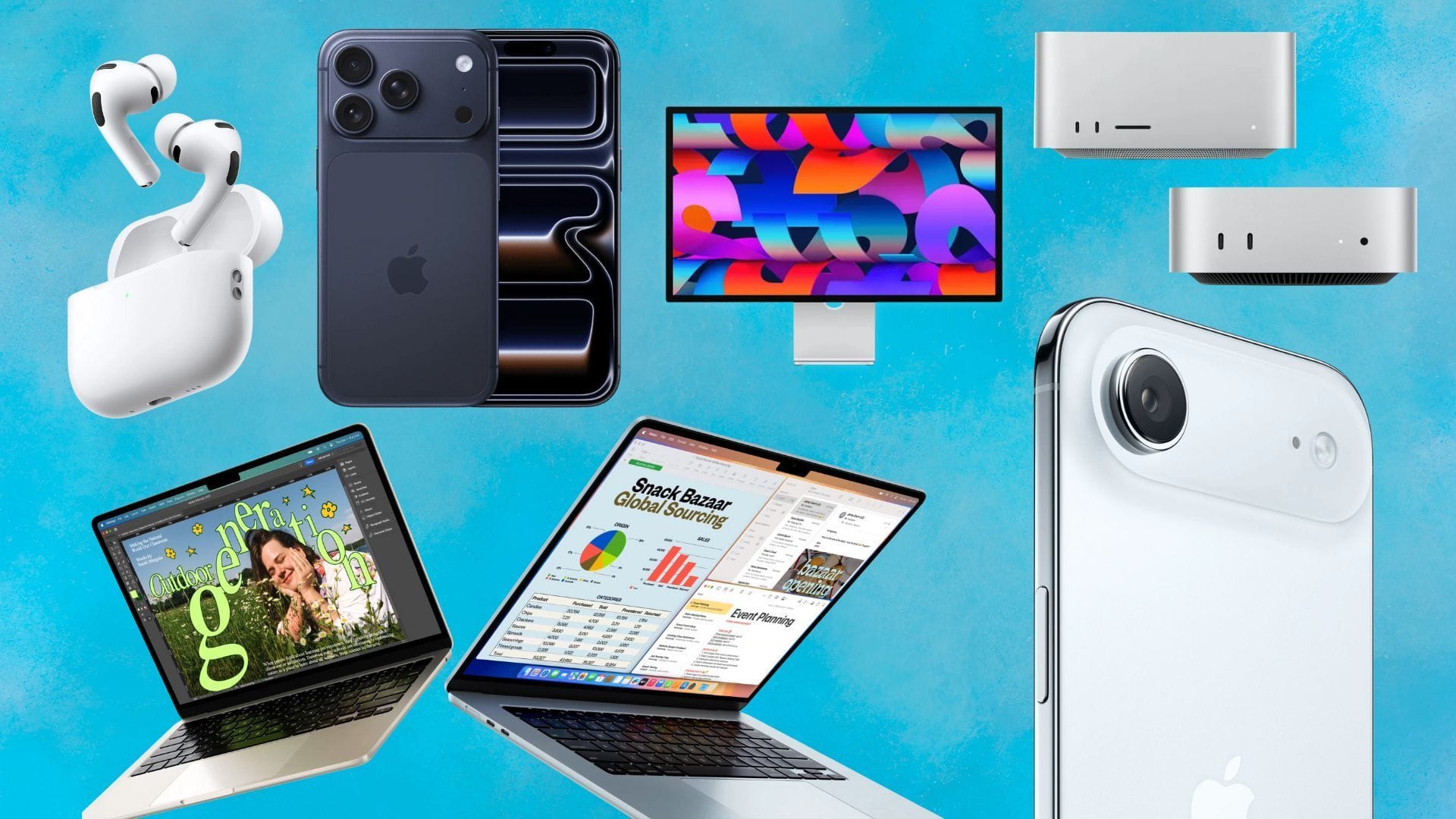
Apple is no longer just iterating—it’s accelerating. The company’s once-secretive product cycles are now following a visible, aggressive roadmap driven by AI, silicon dominance, and a unified ecosystem strategy. Recent leaks, supply chain confirmations, and executive interviews have pulled back the curtain: Apple’s ultra roadmap is confirmed, and it’s reshaping the future of the iPhone, MacBook, and more.
This isn’t about minor camera upgrades or incremental battery gains. We’re entering a phase where hardware, software, and artificial intelligence merge to deliver experiences that feel anticipatory, not reactive. From next-gen Neural Engines to the M5 chip’s imminent arrival, here’s what you need to know about Apple’s confirmed trajectory.
The AI Revolution Inside Every Apple Device
Apple’s late public entry into generative AI masked years of internal development. Now, the dam has broken. With Apple Intelligence embedded across iOS 18, macOS Sequoia, and beyond, the company is redefining what its devices can do—not with flashy chatbots, but with contextual awareness and on-device processing.
Real-world impact: - Siri will finally understand follow-up commands and system-level actions (“Remind me about this webpage when I get home”). - Messages can summarize long threads; Notes can extract dates and create calendar events automatically. - Photos will allow precise AI-powered search (“show me pictures of my dog at the beach in 2023”).
But this isn’t cloud-dependent. Apple’s edge lies in on-device AI powered by custom silicon. The A17 Pro and M-series chips weren’t just about speed—they were AI enablers. With the A18 and upcoming M5, expect deeper integration, faster inference, and fewer compromises on privacy.
Common mistake: Assuming Apple’s AI is behind competitors. It’s different, not inferior. While others rely on cloud models, Apple prioritizes contextual relevance and privacy—meaning fewer hallucinations and more reliable assistance in daily use.
iPhone 16 Series: Built for AI, Designed for Action
The iPhone 16 lineup isn’t just the next model—it’s the first true AI-native iPhone. Early prototypes have been spotted with enhanced thermal systems, suggesting sustained AI workloads will be a core function.
Confirmed upgrades: - Dedicated AI button on Pro models (long-press for Apple Intelligence, swipe for camera). - A18 Pro chip with 40% faster Neural Engine performance. - 48MP ultra-wide camera (finally) for improved low-light scene mapping. - Larger displays: 6.3” for iPhone 16 Pro, 6.9” for Pro Max.
But the bigger shift is in use cases. Imagine pointing your camera at a restaurant menu in Paris and seeing real-time dietary recommendations based on your health app data. Or using Visual Intelligence to scan a broken appliance and get step-by-step repair guidance overlaid on screen.
Pro tip: The AI button will likely support customization. Set it to launch Translate, magnifier, or even a third-party AI tool via Shortcuts. Don’t treat it as a gimmick—treat it as a productivity trigger.

There’s also renewed focus on gaming. With Apple Arcade gaining traction and PS5/DualSense support now native, the iPhone 16 could become a serious handheld console alternative—especially with vapor chamber cooling in Pro models.
MacBook Evolution: M5 Chip, AI Workflows, and Thinner Designs
The MacBook lineup is undergoing its most significant transformation since the Intel-to-Apple Silicon shift. The M5 chip—built on 3nm+ process technology—is expected in late 2025, bringing not just speed, but AI-optimized architecture.
What M5 enables: - Real-time video translation during Zoom calls with voice cloning (your voice, speaking another language). - On-device LLMs for developers and writers (think local ChatGPT-level models without internet). - AI-powered code autocompletion in Xcode that understands project context, not just syntax.
The hardware will evolve too. The 14” MacBook Pro may finally replace the 13” model as the default pro machine, while the MacBook Air gets a complete redesign—thinner, with a mini-LED display and MagSafe returning as standard.
Workflow tip: If you’re a creative professional, consider waiting for M5. The combination of ProRes AI rendering, faster Final Cut Pro exports, and improved external GPU support (via higher-bandwidth Thunderbolt) makes it a generational leap.
Leaks suggest Apple is testing OLED displays for future MacBooks. While not arriving with M5, the groundwork is being laid. Expect color accuracy and contrast ratios that rival professional HDR monitors.
The Hidden Player: Apple’s AR/VR and the Spatial Ecosystem
While not part of the iPhone or MacBook line, Apple Vision Pro is a critical node on the ultra roadmap. It’s not a gimmick—it’s the blueprint for post-smartphone computing.
Vision Pro’s presence in developer kits, combined with iOS 18’s “spatial” APIs, confirms Apple’s intent: unify interactions across iPhone, Mac, and spatial devices. For example:
- Start a FaceTime call on iPhone → continue in 3D on Vision Pro.
- Drag a Keynote presentation from MacBook to a virtual Vision Pro screen.
- Use your iPad as a trackpad or numeric keypad in VR.
This isn’t just for developers. Consumers will soon use Vision Pro to preview furniture in their homes via iPhone scans, or attend virtual concerts with spatial audio synced across devices.
Limitation to note: Vision Pro remains expensive and bulky. But Apple’s roadmap includes a second-gen model in 2026—lighter, cheaper, and with longer battery life. This is a long game.
Ecosystem Lock-In: The Real Power Move
Apple’s ultra roadmap isn’t about individual devices—it’s about making the whole greater than the sum of its parts. With Continuity features now including:
- iPhone-as-webcam with Center Stage and studio audio.
- Mac-side Handoff for iMessage replies during iPad video calls.
- Universal Control enhancements allowing file drag-and-drop between Mac and Vision Pro.
…switching away from Apple becomes increasingly inconvenient.
Practical example: A user starts a journal entry on iPhone using voice-to-text powered by Apple Intelligence. Opens MacBook to expand it with AI-generated summaries. Later, reviews it in VR on Vision Pro with ambient focus lighting. All synced, all private, all seamless.
This level of integration is Apple’s moat. Competitors offer pieces, but no one delivers the full stack.
What’s Coming Next: A Timeline of Confirmed Shifts

Based on analyst reports, supply chain data, and Apple’s typical cadence, here’s what’s on the confirmed near-term roadmap:
| Device | Expected Timeline | Key Upgrades |
|---|---|---|
| iPhone 16 | September 2025 | A18 Pro, AI button, larger screens, enhanced thermal design |
| MacBook Air | Spring 2025 | M3, mini-LED display, MagSafe, thinner chassis |
| MacBook Pro | Late 2025 | M5 chip, OLED display prototype testing, AI-powered workflows |
| iPad Pro | Mid 2025 | M4 chip, double-stack OLED, thinner design, Apple Pencil hover |
| Vision Pro 2 | 2026 | Lighter design, external battery, lower price point |
These aren’t rumors—they’re patterns confirmed by component orders, developer beta features, and Apple’s own event pacing.
Why This Roadmap Changes Everything
Apple’s previous transitions—Retina displays, Touch ID, Apple Silicon—were hardware-led. This wave is software and intelligence-led, with hardware evolving to support it.
The implications are broad: - For developers: New APIs for on-device AI, spatial computing, and cross-device workflows mean rethinking app architecture. - For businesses: Macs with local LLMs could reduce reliance on cloud AI services, improving data control. - For consumers: Devices that anticipate needs, reduce friction, and work together—without sacrificing privacy.
This isn’t just about buying a new phone. It’s about entering a new computing era where your devices understand context, history, and intent.
What You Should Do Now
If you’re due for an upgrade, timing matters. - Hold off on MacBook Pro if possible: M5 models will offer tangible AI performance gains. - Consider iPhone 15 Pro if you need a phone now: It supports all iOS 18 AI features, making it a strong bridge. - Explore Apple Intelligence beta: Developers and public beta users can get early access to features that will define the next five years. - Invest in ecosystem tools: AirPods Pro (2nd gen or later), Apple Watch, and iCloud+ enhance the unified experience.
Apple’s ultra roadmap is no longer a prediction. It’s in motion. The devices coming aren’t just better—they’re fundamentally different. And they’re designed to keep you inside Apple’s world, where intelligence, privacy, and integration aren’t trade-offs—they’re guaranteed.
Stay aligned. Upgrade strategically. The future isn’t just arriving—it’s already being coded.
Frequently Asked Questions
Will the iPhone 16 have an AI button? Yes, Pro models will include a dedicated button for activating Apple Intelligence and camera functions.
Is the M5 chip coming in 2025? Expected in late 2025, likely launching with the 14” and 16” MacBook Pro models.
Can older iPhones use Apple Intelligence? Only iPhone 15 Pro and iPhone 15 Pro Max support full Apple Intelligence due to Neural Engine requirements.
Will MacBook Air get the M5 chip? Not initially. M5 is expected in Pro models first, with Air adoption likely in 2026.
Does Apple’s AI work offline? Yes, core Apple Intelligence features run on-device, ensuring privacy and functionality without internet.
Will Vision Pro become more affordable? A second-generation model in 2026 is expected to be lighter and lower-priced, targeting broader adoption.
Are OLED MacBooks confirmed? Not yet shipping, but Apple is actively testing OLED panels for future MacBook Pro models.
FAQ
What should you look for in Apple’s Ultra Roadmap Confirmed: iPhone, MacBook and Beyond? Focus on relevance, practical value, and how well the solution matches real user intent.
Is Apple’s Ultra Roadmap Confirmed: iPhone, MacBook and Beyond suitable for beginners? That depends on the workflow, but a clear step-by-step approach usually makes it easier to start.
How do you compare options around Apple’s Ultra Roadmap Confirmed: iPhone, MacBook and Beyond? Compare features, trust signals, limitations, pricing, and ease of implementation.
What mistakes should you avoid? Avoid generic choices, weak validation, and decisions based only on marketing claims.
What is the next best step? Shortlist the most relevant options, validate them quickly, and refine from real-world results.