The reclusive regime of North Korea has unveiled a state-sponsored museum dedicated to soldiers allegedly killed while supporting Russian military operations—a move that confirms growing military cooperation between Pyongyang and Moscow. While the North Korean government has not officially admitted to deploying combat troops, the construction of a full-scale memorial signals a shift in both foreign policy and propaganda strategy. This isn’t just about honoring the dead. It’s about crafting a narrative that legitimizes foreign intervention and strengthens domestic loyalty through controlled mourning.
This museum stands as a physical manifestation of an undeclared alliance, one that has quietly evolved amid Russia’s prolonged conflict in Ukraine. Intelligence reports from South Korea, the United States, and NATO have long suggested that North Korea has supplied Russia with artillery, missiles, and drones. But the idea of North Korean troops dying on foreign soil—especially in Europe—marks a dramatic escalation, one that the regime is now choosing to memorialize rather than conceal.
What the Museum Reveals About DPRK-Russia Ties
The museum’s very existence shatters North Korea’s official posture of non-intervention. For decades, Pyongyang has maintained a façade of isolation, carefully managing its image as a defiant, self-reliant nation. But by erecting a public monument to fallen soldiers linked to Russian operations, the regime is tacitly admitting direct involvement.
Sources from South Korea’s National Intelligence Service indicate that hundreds of North Korean personnel have been trained in Russia, with some deployed in active combat zones. Satellite imagery of the museum site near Pyongyang shows a large, solemn complex with engraved names, military artifacts, and life-sized dioramas depicting battlefield scenes—some of which resemble eastern Ukraine’s terrain.
This is not a spontaneous gesture. The museum has been under construction for months, suggesting long-term planning. Its symbolism is layered: - It elevates the fallen to martyr status, aligning with North Korea’s cult of sacrifice. - It positions the conflict as part of a broader struggle against Western imperialism. - It reinforces loyalty to Kim Jong Un by framing foreign warfare as patriotic duty.
The Propaganda Function of War Memorials in North Korea
In North Korea, memorials aren’t just about remembrance—they’re tools of ideological enforcement. The new museum fits a pattern seen with previous monuments, such as the Victorious Fatherland Liberation War Museum, which frames the Korean War as a victory against American aggression.
What makes this museum different is its focus on a foreign war, one in which North Korea has no historical stake. That changes the propaganda equation. Now, the regime must convince its citizens that dying in Ukraine serves the homeland. The museum’s curated exhibits likely include: - Letters from soldiers (real or fabricated) expressing devotion to Kim Jong Un. - Videos of missile launches and drone strikes labeled as “joint victories.” - Testimonials from families praising their sons’ “heroic deaths for socialist brotherhood.”

Domestically, this narrative helps justify both military conscription and economic hardship. If young men are dying overseas, the message goes, it’s for a righteous cause—one that strengthens North Korea’s global position. Internationally, it signals that Pyongyang is no longer a passive arms dealer but an active participant in global conflict.
How the International Community Is Responding
The museum’s unveiling has triggered condemnation from Western governments. The U.S. State Department issued a statement calling it “a grotesque celebration of illegal military involvement,” while South Korea’s Defense Ministry warned that the deployment of North Korean troops could violate multiple UN Security Council resolutions.
Sanctions already restrict North Korea’s arms trade, but enforcement has been inconsistent. Russia’s reliance on North Korean munitions has created a blind eye among some allies, and now the memorial’s existence may force a recalibration of diplomatic and economic pressure.
More concerning is the precedent it sets. If North Korea can openly honor soldiers who died fighting for Russia, what stops it from doing the same in future conflicts? Analysts worry this could normalize the export of North Korean manpower—a dangerous evolution from missile shipments to human deployment.
Evidence of North Korean Troop Involvement
While North Korea denies sending combat troops, evidence continues to mount:
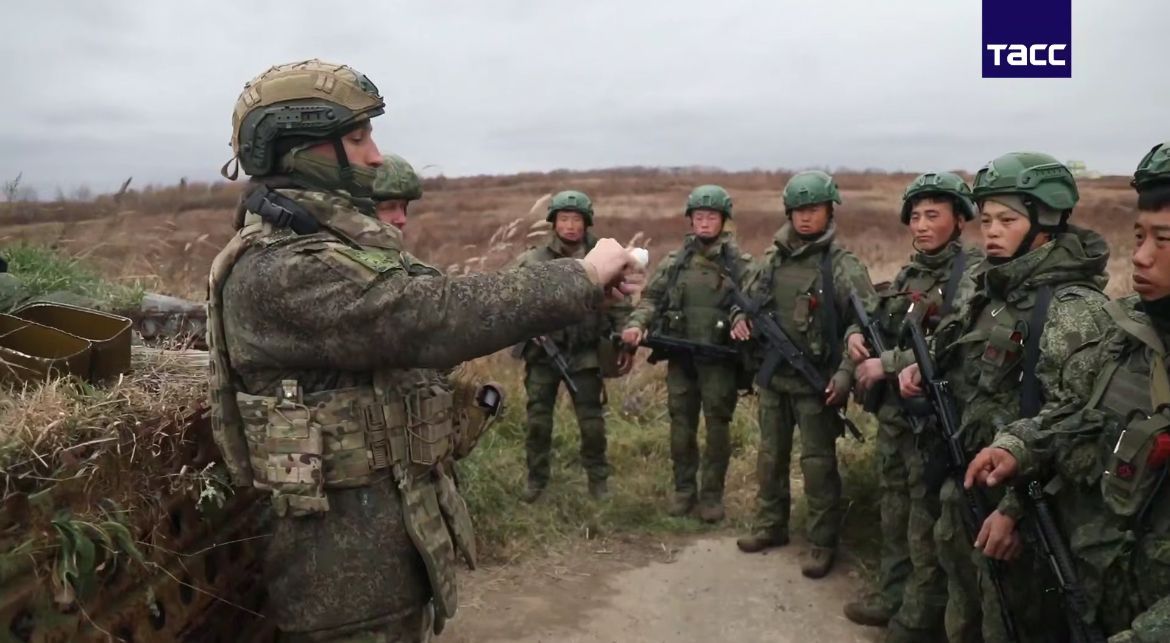
- Satellite imagery: Commercial satellites have captured North Korean soldiers at training grounds in Russia’s Far East, including the Buryatia region.
- Military insignia: Ukrainian forces recovered uniforms with North Korean markings near the front lines in Kursk.
- Defector testimonies: Two recent defectors from the North Korean military claimed their units were selected for “special missions” in Russia.
- Communication leaks: Encrypted messages intercepted by South Korean intelligence reference “deployment rotations” and “combat compensation.”
None of this is definitive proof of battlefield deaths—but combined with the museum, it forms a compelling case. Crucially, the names listed at the memorial are not being made public, preventing verification. This opacity is standard for North Korea but feeds suspicion rather than dispelling it.
The Strategic Risk for Kim Jong Un
Opening the museum may serve short-term propaganda goals, but it carries long-term risks. If more soldiers die abroad, public sentiment—even within the tightly controlled North Korean system—could shift. Families may begin demanding answers. The regime has always managed grief by channeling it into nationalism, but foreign wars are harder to sell than defense of the homeland.
There’s also the risk of battlefield failure. If North Korean units suffer heavy losses or are captured, it could embarrass both Pyongyang and Moscow. Ukrainian forces have already displayed captured North Korean drones and artillery. A prisoner of war—especially one who speaks to international media—could expose the full extent of the collaboration.
Kim Jong Un is betting that the benefits outweigh the dangers. By memorializing the dead now, he’s attempting to lock in a narrative before more details leak. The museum is both a tribute and a firewall.
What This Means for the Future of the Ukraine Conflict

The involvement of North Korean troops, however limited, changes the calculus of the war. It introduces a new tier of proxy warfare—one where nuclear-armed states use third-party militaries to avoid direct confrontation.
Russia gains access to fresh manpower and specialized missile operators. North Korea receives advanced military technology, satellite intelligence, and possibly food and fuel aid in return. It’s a transactional alliance born of mutual isolation.
But escalation is a real danger. If North Korean soldiers are confirmed to have engaged Ukrainian forces, Kyiv may consider retaliatory measures beyond the battlefield—such as cyberattacks on North Korean infrastructure or diplomatic pressure on countries that maintain ties with Pyongyang.
More broadly, this marks a shift in how authoritarian regimes support each other. It’s no longer just about weapons deals or diplomatic cover. It’s about shared sacrifice, real or manufactured, used to build long-term strategic bonds.
The Museum as a Tool of Historical Revisionism
Like all state-run memorials in North Korea, this museum will shape how future generations understand the conflict. School trips will be mandatory. Textbooks will be updated. The soldiers buried there—whether they died in Ukraine or during training—will be remembered as heroes who stood against NATO expansion.
This kind of historical engineering is central to the regime’s survival. By embedding the Russia alliance into national mythology, Kim Jong Un ensures that any future leader who questions it will be seen as betraying the fallen.
The museum’s architecture itself will send messages. Expect towering statues, eternal flames, and murals depicting Russian and North Korean soldiers fighting side by side. The design will echo Soviet war memorials, reinforcing the idea of a shared socialist struggle.
But unlike memorials to the Korean War or the anti-Japanese resistance, this one lacks a clear connection to North Korean sovereignty. That gap will be filled with propaganda—intense, repetitive, and unavoidable.
What Comes Next?
The opening of this museum is not an endpoint. It’s a signal that North Korea’s role in global conflict is expanding. The world should prepare for: - More evidence of troop deployments, possibly in other conflict zones. - Increased military technology transfers between Pyongyang and Moscow. - New sanctions—and likely new evasion tactics. - A propaganda push targeting not just North Koreans, but global audiences through state media.
For policymakers, the priority must be verification. Independent access to the museum, the names of the deceased, and the locations of their deaths is essential. Without transparency, the memorial remains a monument to deception as much as sacrifice.
For journalists and analysts, the focus should be on tracking the human cost. Who were these soldiers? Where did they die? How were they recruited? The answers may never be fully known—but asking the questions keeps the regime accountable.
The museum stands as a grim milestone: North Korea is no longer just selling weapons. It’s sending its people to die for foreign wars—and building monuments to justify it. That changes everything.
FAQ
What should you look for in North Korea Opens Museum for Troops Killed in Russia Fight? Focus on relevance, practical value, and how well the solution matches real user intent.
Is North Korea Opens Museum for Troops Killed in Russia Fight suitable for beginners? That depends on the workflow, but a clear step-by-step approach usually makes it easier to start.
How do you compare options around North Korea Opens Museum for Troops Killed in Russia Fight? Compare features, trust signals, limitations, pricing, and ease of implementation.
What mistakes should you avoid? Avoid generic choices, weak validation, and decisions based only on marketing claims.
What is the next best step? Shortlist the most relevant options, validate them quickly, and refine from real-world results.